The Altamaha Waterfowl Management Area has rabbit hunts too!
Summer 2026
Article and photos by Jimmy Jacobs
The Altamaha Waterfowl Management Area on the coast near Darien is no secret hotspot when it comes to duck hunts. Indeed, the area is often considered the best for duck hunting found anywhere in Georgia. Waterfowlers bidding for slots to hunt the area wait anxiously to hear from the Wildlife Resources Division once the quota lottery drawing takes place annually.
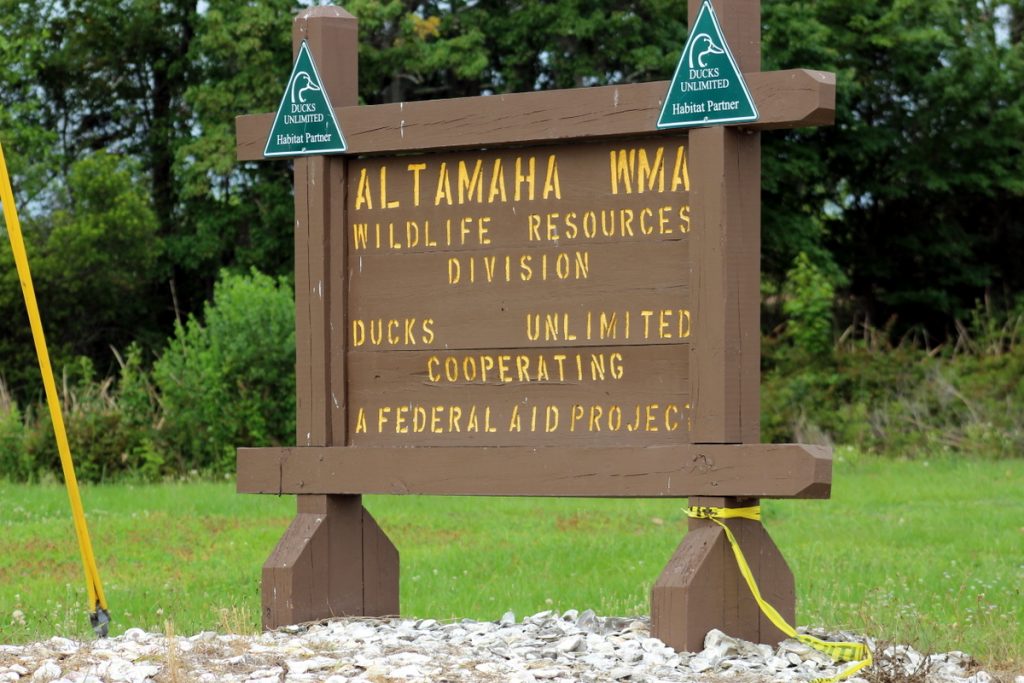
But there is another facet to hunting on the WMA that goes relatively unknown. For individuals who favor the tradition of targeting rabbits in the Peach State, the waterfowl area offers a rather unique set of conditions. And that situation in turn provides some good prospects for harvesting some rabbits.
The Altamaha Waterfowl Management Area spans 3,154 acres of land and water, within the larger 27,000-acre Altamaha Wildlife Management Area. As we further explore this resource, mentions of the WMA will exclusively reference just the Waterfowl Management Area. The waterfowl portion spans four islands in the Altamaha River Delta just to the south of the historic former seaport city of Darien in McIntosh County.
Virtually all the acres in the waterfowl area are composed of ponds that are drained and filled for the benefit of ducks migrating down the eastern seaboard. In the warmer months these ponds are drawn down and planted with forage, then in the fall they are flooded to give the waterfowl food and habitat.
That cycle partially replicates the historic use of the land as well. Most of the area was used for raising rice beginning in the period prior to the American Revolution. Vast plantations spread across the Georgia coastal lowlands. Butler, Champney, and Rhetts Islands within the WMA boundaries were no exception.
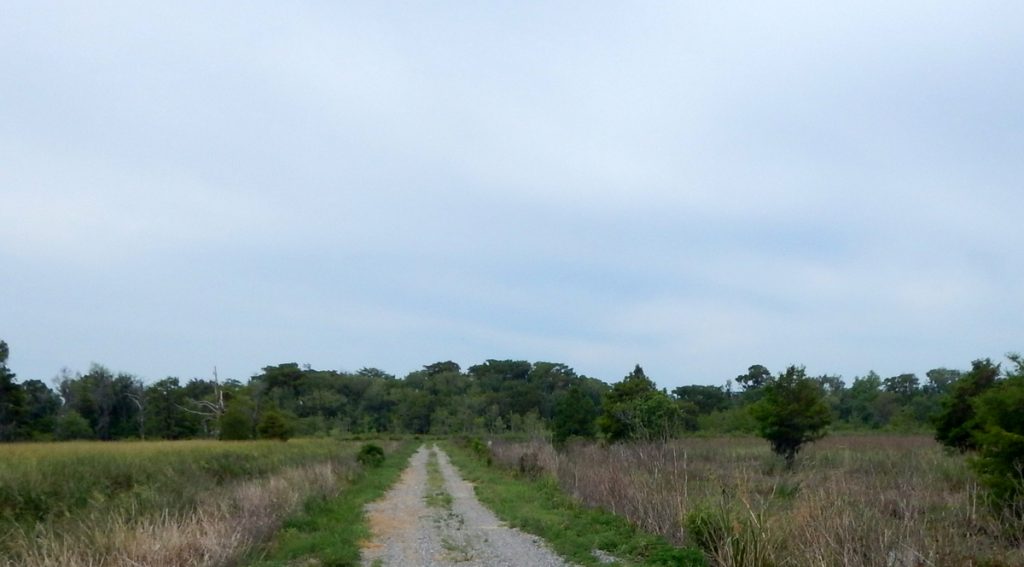
The Waterfowl Management Area has miles of dirt levy roads.
So how can land that is virtually all under water during the fall and winter hunting period be of use to rabbit hunters? The dirt roadways on top of the levies surrounding the waterfowl ponds are the key to the rabbit hunting action on the WMA. The edges of these roads provide thickets of bushes and grasses in which the rabbits find refuge.
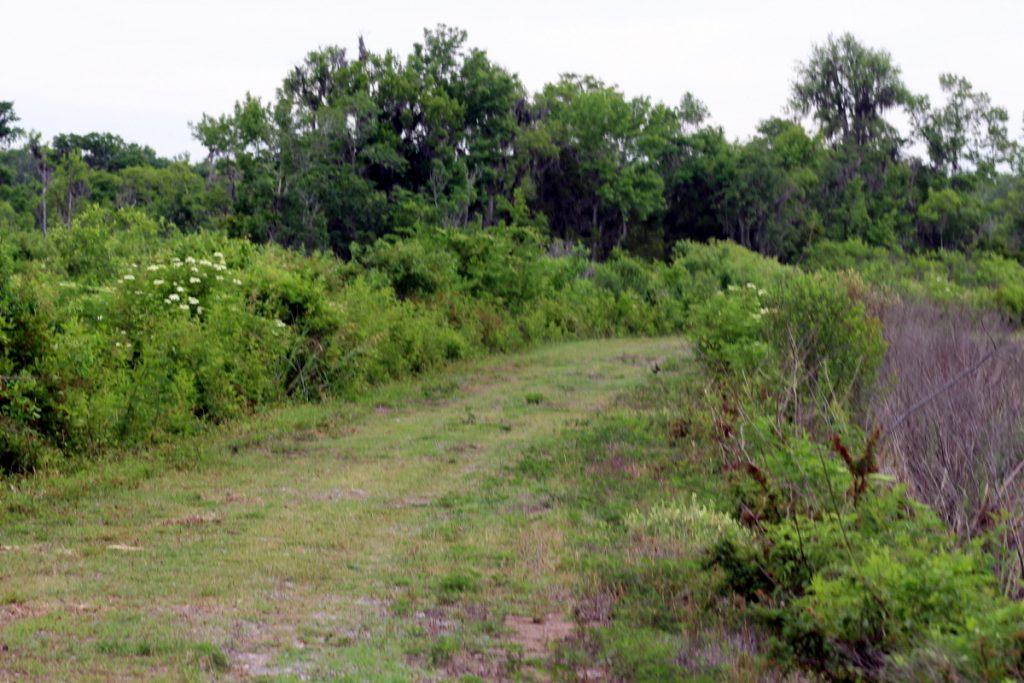
The levy roadsides have thick cover for the rabbits.
The rabbit population on the area is considered good and is composed of both marsh and larger swamp rabbits. While some hunters use beagles to locate the prey, it also is possible to have do a “drive” on the road to flush the rabbits. This consists of having multiple hunters in the group with some walking down either side of the road. When the rabbits flush they generally will bolt down the road providing clear shots.
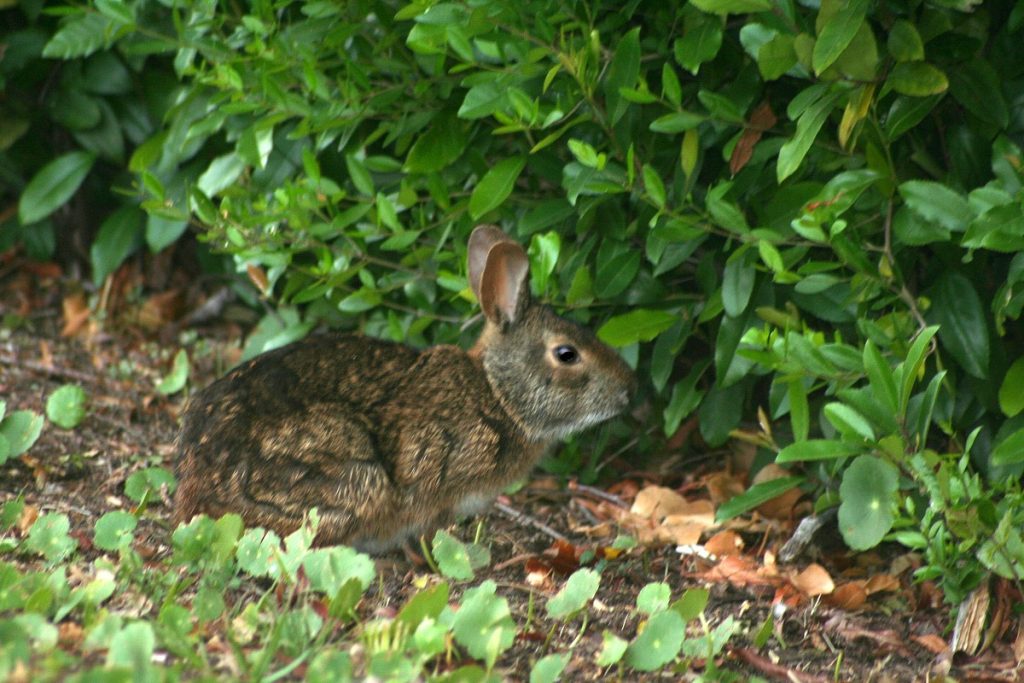
Smaller marsh rabbits are common on the WMA.
Unfortunately, due to the special purpose for waterfowl, rabbit season on the Altamaha Waterfowl Management Area only runs from February 1 to February 28 each year. You also need to be aware that on the portion of Butler Island east of U.S. 17 in the Butler Refuge, only archery equipment is legal for small game hunting. That same rule applies to the Ansley Hodges MARSH Project on the west side of U.S. 17 on Champney Island. On other portions of the area small game firearms rules apply. The daily harvest limit for rabbits throughout the area is 6 per day per hunter. As always, check the hunting regulations on the Wildlife Resources Division website for any changes in regulations before heading to the WMA.
Jimmy Jacobs is the editor of Georgia Outdoor Adventures, as well as being editor/publisher of On The Fly South. He also is a member of the Georgia Outdoor Writers Association. He makes his home in Marietta with his English setters, Luke and Lulu. He can be contacted at jimmyjacobs970@gmail.com.